Welcome to zZounds. Get free shipping on instruments and musical equipment, easy zero-interest payment plans, and top-rated service.
Get Our Newsletter
From The Blog


All-Star Gear
Customer Kudos
"zZounds has super fast delivery, and makes buying super easy with their flexible monthly payment plans...zZounds puts instruments in reach for many people who would otherwise have to spend a year or two saving up for a guitar. Many are grateful for this business model because they can be learning and playing while they’re paying."
February 11, 2024
This is a carousel with auto-rotating slides. Rotation may be stopped using the Pause button. Jump to a slide with the slide dots.






Keyboard Synthesizers
Digital Pianos
Keyboard Amps
Keyboard Accessories
- On-Stage Stands
- World Tour Keyboard Bags
- Gator Keyboard Stands
- MIDI Thru, Merge, and Patchbays
- See More...
Personal Keyboards
- Casio Personal Keyboards
- Yamaha Personal Keyboards
- Korg Personal Keyboards
- Alesis Personal Keyboards
- See More...
MIDI Controllers
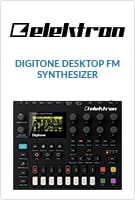
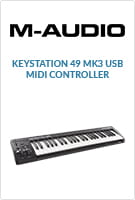
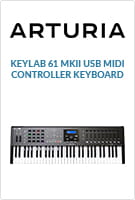
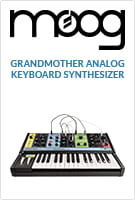
From The Blog
Microphones
Mixers
Studio Monitors
- JBL Studio Monitors
- Yamaha Studio Monitors
- Neumann Studio Monitors
- Adam Audio Studio Monitors
- See More...
Studio Signal Processors
- Universal Audio Processors
- Black Lion Audio Processors
- Warm Audio Processors
- Cloud Cloudlifters
- See More...
Studio Racks and Workstations




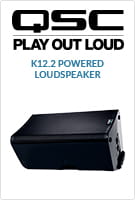
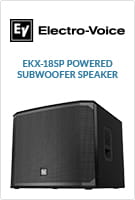
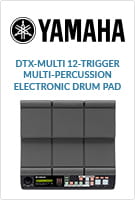
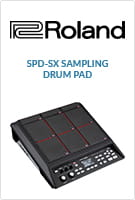



All-Star Gear
Computer DJ Interfaces and Controllers
- Pioneer DJ Controllers
- Rane DJ Controllers
- Native Instruments Traktor DJ Controllers
- Numark DJ Controllers
- See More...
DJ Mixers
Standalone DJ Systems
DJ Lighting & Stage Lighting
DJ Turntables
Beat Production Gear
- Native Instruments Maschine family
- Akai MPC family
- Elektron Beat Production
- Roland Beat Production
- See More...
Samplers